Homeowners in Westfield, NJ face seasonal wear on hardware and often ask when parts should be replaced during garage door installation. This practical guide explains the common triggers for replacement, what to inspect, and how timely decisions protect safety and value. If you own a residential service garage door, knowing the signs saves time and money.
Why part replacement matters for garage door installation
During a garage door installation, replacing worn parts can prevent early failures. New panels on old springs, cables, or openers create mismatched lifespans and can lead to repeated service calls. Proper parts replacement improves longevity, preserves warranties, and ensures smooth operation of your garage doors.
Key parts to evaluate and replace
Inspect each element carefully. Below are the parts we routinely check during a garage door installation in New Jersey, and the practical rules of thumb for replacement.
1. Torsion and extension springs
- Why it matters: Springs control door balance. A failing spring can be dangerous.
- When to replace: Replace during installation if springs show >25% wear, have visible gaps, or if tracks show uneven tension. Consider replacement at the end of a rated cycle life (often 10,000 cycles for standard springs).
- Local note: Salt-laden winter and spring road spray in NJ can accelerate corrosion—inspect springs each spring after winter weather.
2. Cables and pulleys
- Why it matters: Frayed cables or worn pulleys can snap and cause door collapse.
- When to replace: Replace any cable with visible strands broken, kinking, or rust. Pulleys that wobble, bind, or have chipped grooves should be swapped during installation.
3. Rollers and tracks
- Why it matters: Rollers guide the door. Worn rollers create noise and uneven travel, stressing other components.
- When to replace: Replace rollers showing flat spots, missing bearings, or excessive play. If tracks are bent, dented, or corroded beyond simple straightening, replace them to ensure proper alignment.
4. Opener and drive systems
Openers are often replaced during a new garage door installation to match lifting capacity and modern safety features. Replace the opener if:
- It lacks safety sensors or battery backup.
- It struggles to lift a newly installed, heavier insulated door.
- It emits unusual noises or has recurring electronic faults.
Signs you should replace parts now, not later
Some signs demand immediate action during installation:
- Visible corrosion on springs or cables.
- Door balance off during a manual test—door drops quickly when opened halfway.
- Grinding or scraping noises from rollers or tracks.
- Openers that stall or show intermittent power issues.
Replacing these components at the time of garage door installation avoids a second service visit and reduces total installation downtime.
Cost and timeline considerations for Westfield homeowners
Price ranges vary by part quality and brand. Expect the following ballpark factors when budgeting for a full residential service installation:
- Basic springs and cables: generally lower materials cost, but labor for a safe spring swap is specialized.
- High-cycle springs or heavy-duty hardware: higher upfront cost, longer life—good value for frequently used doors.
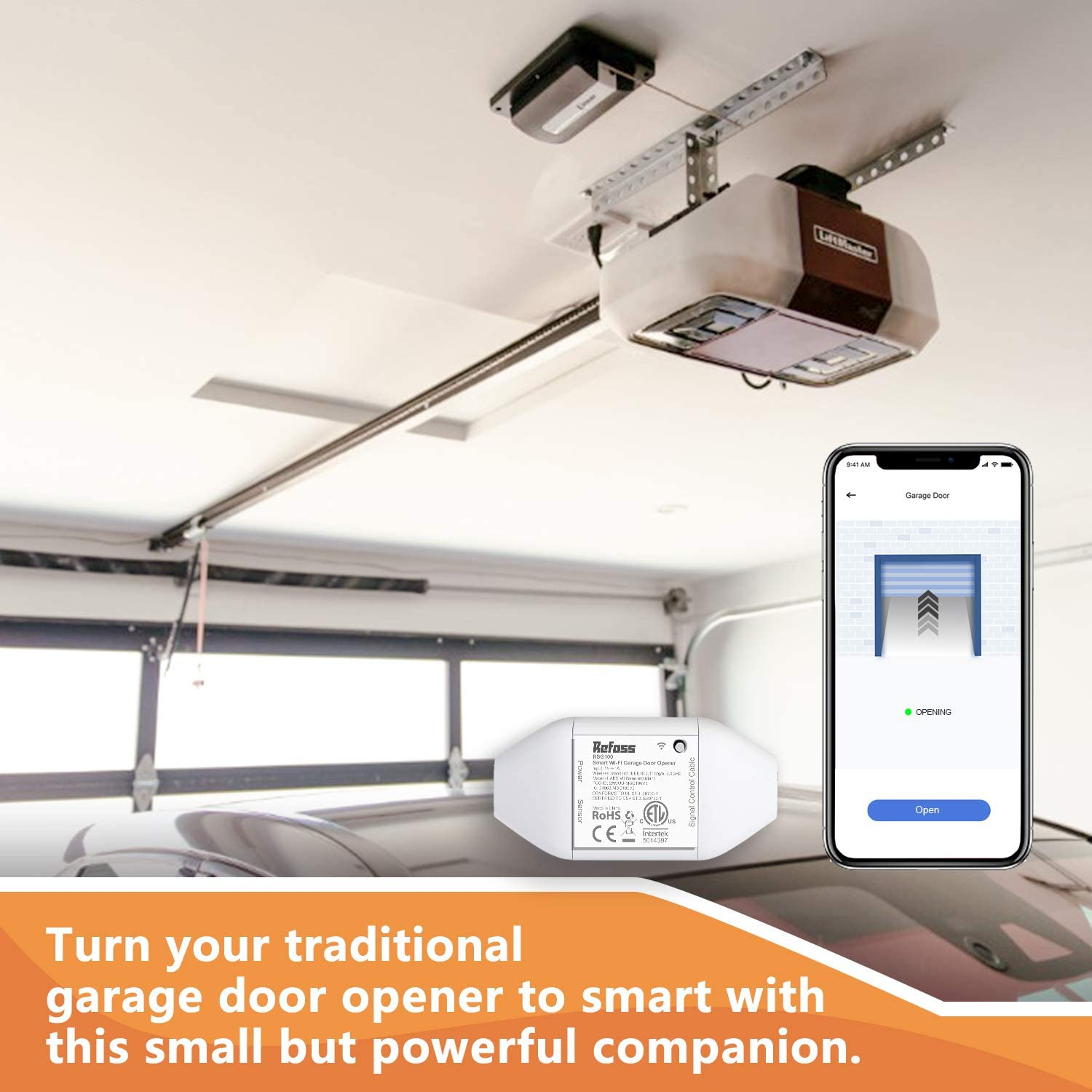
- Smart openers with battery backup and Wi-Fi: premium but increase convenience and resale appeal.
Timeline: a straightforward garage door installation with selective parts replacement typically takes a half to a full day. More extensive replacement (complete hardware package and new opener) can take a full day. Weather in NJ—especially cold snaps—can add time due to material handling and technician safety precautions.
Warranty, safety, and permit notes
Check warranty terms before swapping parts. Some manufacturers void warranties if incompatible parts are mixed. Use matched kits when possible. For safety, never attempt spring or cable replacement without tools and training. These items carry stored energy and can cause injury.
Most residential garage door work in Westfield, NJ does not require a permit, but check local municipal rules if you alter structural framing or electrical components for the opener. When in doubt, ask your technician during the pre-install inspection.
Practical pre-install checklist for homeowners
Before your scheduled garage door installation, walk through this short checklist:
- Note door operation issues: vibration, noise, slow travel.
- Check visible hardware: rust, fraying, dents.
- Decide on upgrades: insulation, windows, smart opener.
- Confirm parking and access for installation crew.
Sharing this info helps your installer recommend the right parts and avoid surprises.
Choosing the right replacement strategy
There are three common approaches during a garage door installation:
- Repair-only: replace only parts that fail inspection. Lower upfront cost but may lead to earlier follow-ups.
- Matched replacement: replace key wear items—springs, cables, rollers—to balance lifespan. Often the best trade-off for homeowners upgrading the door itself.
- Complete hardware refresh: replace all moving parts and the opener. Best when installing a substantially heavier or insulated door.
Your installer should explain lifecycle estimates for each option and how choices affect maintenance intervals.
For more reading on upkeep and seasonal tips, visit our blog for local advice and seasonal checklists: https://garagedoors-westfield.com/blog.
If you want an on-site inspection and a clear parts replacement plan ahead of your scheduled garage door installation, use our contact form to book a visit: https://garagedoors-westfield.com/contact. For full service offerings and upgrade options, see our services page for details and pricing ranges: https://garagedoors-westfield.com/services.
Replacing the right parts at the right time protects your investment and keeps your household safe. When in doubt, choose matched replacements for springs, cables, and rollers during a new garage door installation. That prevents imbalanced wear and fewer callbacks.
Frequently Asked Questions
1. How does Westfield weather affect spring life?
Cold winters and spring road spray can cause corrosion and shorten spring life. We recommend inspecting springs after winter and replacing if corrosion exceeds surface rust or if cycle life is near its rating.
2. If I install a heavier insulated door, do I always need a new opener?
Not always, but often. Heavier doors increase torque demands. During a garage door installation, we test your opener’s lifting capacity; if it’s under-rated, we recommend a replacement to ensure reliable operation and to preserve the opener warranty.
3. What is a typical price range for parts during installation in NJ?
Local pricing varies: basic spring and cable replacement is modest; high-cycle springs, premium rollers, and smart openers increase costs. Expect a broad range—get an on-site estimate for accurate pricing tailored to your door size and desired upgrades.
4. Do garage door installations in Westfield require permits?
Most residential panel and hardware swaps don’t need a permit. If structural framing or new electrical work is required for the opener, check with Westfield municipal code or ask your installer to confirm permitting needs prior to work.
5. What warranty should I expect on replaced parts?
Warranties vary by manufacturer and part. Matched-system installations often qualify for longer combined warranties. Always request written warranty terms and ask how mixing old and new parts affects coverage.
Helpful local resources in Westfield, NJ
- Garage Door Repair Hoboken
- Garage Door Repair Montclair
- Garage Door Repair Westfield
- Garage Door Repair Summit
- Garage Door Repair Maplewood
- Garage Door Repair Livingston
- Garage Door Repair Short Hills
- Garage Door Repair Princeton
- Garage Door Repair Red Bank
- Garage Door Repair Morristown
- Garage Door Repair Chatham
- Garage Door Repair Mendham
- Garage Door Repair Bernardsville
- Garage Door Repair Bedminster
- Garage Door Repair Clinton
- Garage Door Repair Tenafly
- Garage Door Repair Ridgewood
- Garage Door Repair Upper Saddle River
- Garage Door Repair Wyckoff
- Garage Door Repair Basking Ridge
- Garage Door Repair South Orange
- Garage Door Repair Teaneck
- Garage Door Repair Fort Lee
- Garage Door Repair East Brunswick
- Garage Door Repair Montvale
- Garage Door Repair Haddonfield
- Garage Door Repair Marlboro
- Garage Door Repair Cranford
- Garage Door Repair Voorhees
- Garage Door Repair North Caldwell